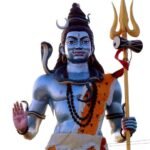
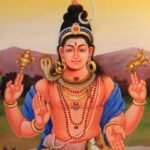
The sacred five-syllable Shiva Panchakshari Mantra is undoubtedly the most popular and highly chanted mantra dedicated to Lord Shiva.
Revered across the Shaiva tradition, the Panchakshari Mantra, Namah Shivaya, is a direct invocation of Lord Shiva. It is highly potent and resonates with an energy that draws you closer to Shiva through repeated chanting.
Panchakshari means five syllables (Pancha means five and Akshara means letters). As this five-syllable mantra belongs to Shiva, it is called the Shiva Panchakshari Mantra.
The importance of chanting this mantra is explained in several holy scriptures, such as the Puranas and the Itihasas. Guru Shankaracharya advised this mantra to several because of its profound ability to connect with the inner self, that is, none other than Lord Shiva.
Several sages revered this mantra as the epitome of all Shiva Mantras. It blesses the devotees with prosperity, good fortune, wealth, and devotion to Lord Shiva.
We have provided the complete Shiva Panchakshari Mantra with viniyoga, nyasa, and dhyana, along with its Japa details, and post-japa rituals.
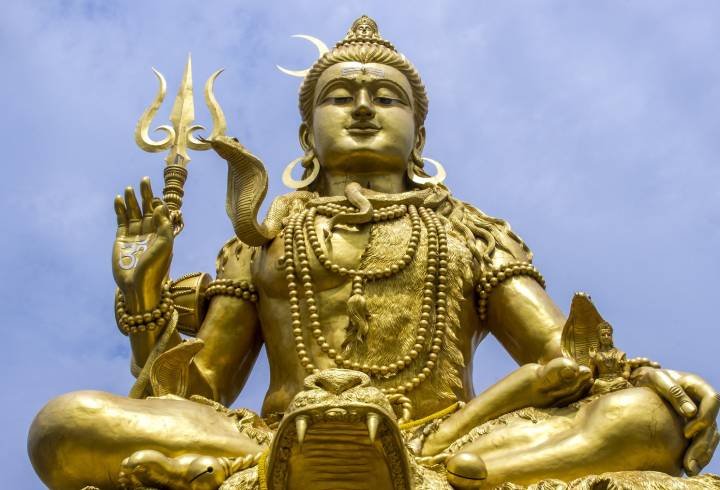
Shiva Panchakshari Mantra in Sanskrit and English
विनियोगः
अस्य श्री शिव पञ्चाक्षरी मन्त्रस्य,
वामदेव ऋषि, पङ्क्तिश्छन्द, ईशानो देवता,
ओं बीजं, नमः शक्तिः, शिवायेति कीलकं,
चतुर्विध पुरुषार्थ सिद्ध्यर्थे जपे विनियोगः
Viniyogaḥ
Asya Śrī Śiva Pañcākṣarī Mantrasya,
Vāmadeva Ṛṣiḥ, Paṅktiś Chandaḥ, Īśāno Devatā,
Oṁ Bījaṁ, Namaḥ Śaktiḥ, Śivāyeti Kīlakaṁ,
Caturvidha Puruṣārtha Siddhyarthe Jape Viniyogaḥ
ऋष्यादिन्यासः
ओं वामदेवर्षये नमः शिरसि
पङ्क्ति छन्दसे नमः मुखे
ईशानदेवतायै नमः हृदये
ओं बीजाय नमः गुह्ये
नमः शक्तये नमः पादयोः
शिवायेति कीलकाय नमः नाभौ
विनियोगाय नमः सर्वाङ्गे
Ṛṣyādinyāsaḥ
Oṁ Vāmadevarṣaye Namaḥ Śirasi
Paṅkti Chandasē Namaḥ Mukhe
Īśānadevatāyai Namaḥ Hṛdaye
Oṁ Bījāya Namaḥ Guhye
Namaḥ Śaktaye Namaḥ Pādayoḥ
Śivāyeti Kīlakāya Namaḥ Nābhau
Viniyogāya Namaḥ Sarvāṅge
करन्यासः
ओं ओं अङ्गुष्ठाभ्यां नमः
ओं नं तर्जनीभ्यां नमः
ओं मं मध्यमाभ्यां नमः
ओं शिं अनामिकाभ्यां नमः
ओं वां कनिष्ठिकाभ्यां नमः
ओं यं करतलकरपृष्ठाभ्यां नमः
Kara-Nyāsaḥ
Oṁ Oṁ Aṅguṣṭhābhyāṁ Namaḥ
Oṁ Naṁ Tarjanībhyāṁ Namaḥ
Oṁ Maṁ Madhyamābhyāṁ Namaḥ
Oṁ Śiṁ Anāmikābhyāṁ Namaḥ
Oṁ Vāṁ Kaniṣṭhikābhyāṁ Namaḥ
Oṁ Yaṁ Karatalakarapṛṣṭhābhyāṁ Namaḥ
हृदयादिन्यासः
ओं ओं हृदयाय नमः
ओं नं शिरसे स्वाहा
ओं मं शिखायै वषट्
ओं शिं कवचाय हुम्
ओं वां नेत्रत्रयाय वौषट्
ओं यं अस्त्राय फट्
Hṛdayādinyāsaḥ
Oṁ Oṁ Hṛdayāya Namaḥ
Oṁ Naṁ Śirase Svāhā
Oṁ Maṁ Śikhāyai Vaṣaṭ
Oṁ Śiṁ Kavacāya Hum
Oṁ Vāṁ Netratrayāya Vauṣaṭ
Oṁ Yaṁ Astrāya Phaṭ
ध्यानम्
ध्यायेन्नित्यं महेशं रजतगिरिनिभं चारुचन्द्रावतंसं
रत्नाकल्पोज्ज्वलाङ्गं परशुमृग वराभीति हस्तं प्रसन्नम्
पद्मासीनं समन्तात् स्तुतममरगणै र्व्याघ्रकृत्तिं वसानं
विश्वाद्यं विश्ववन्द्यं निखिलभयहरं पञ्चवक्त्रं त्रिनेत्रम् ॥
Dhyānam
Dhyāyennityaṁ Maheśaṁ Rajatagirinibhaṁ Cārucandrāvataṁsaṁ
Ratnākalpojjvalāṅgaṁ Paraśumṛga Varābhīti Hastaṁ Prasannam
Padmāsīnaṁ Samantāt Stutam Amaragaṇair Vyāghrakṛttiṁ Vasānaṁ
Viśvādhyaṁ Viśvavandyaṁ Nikhilabhayaharaṁ Pañcavaktraṁ Trinētram ॥
मन्त्रः
ओं नमः शिवाय
Mantraḥ
Oṁ Namaḥ Śivāya
Japa Sankhya
The prescribed Japa sankhya as per the Sharada tilaka is 24 lakh times for Mantra siddhi.
Shiva Panchakshari Mantra Sadhana
The general mantra everyone recites is Namah Shivaya. However, for the Mantra Siddhi, this mantra must be recited according to the rules or as advised by the Guru.
The Sadhaka is advised to recite the saptangas, perform nyasa, recite dhyana, and then chant the mantra according to the Japa sankhya, followed by other rituals, such as homa, after completing the total Japa count.
Post Japa Rituals (Purascharana)
After the completion of Japa for 24 Lakh times, A homa should be performed by the practitioner, offering a sweet porridge called Payasam (must be only made of three items: milk, honey and jaggery) for 1/10th of the total count, that is 2lakh and 40 thousand or 1/100th that is 24 thousand oblations (as per scripture Sarada Tilaka) reciting the mantra called Marjana process.
The prescribed ingredients for Homa are samidhas and dried palash flowers (flame of the forest), along with payasam.
If Marjana is performed 24000 times, the practitioner must perform 2400 or 240 tarpanas and feed 240 or 24 people (bhojana) as their abilities allow. Upon completion of Japa, homa, marjana, tarpana and bhojana, the practitioner must sleep in the premises where homa is performed.
It is believed that Lord Shiva himself appears in the Sadhaka’s dream as a light or in a form, indicating that the rituals performed are fruitful and that the person achieves Mantra siddhi, or mastery over the Mantra.